28 articles
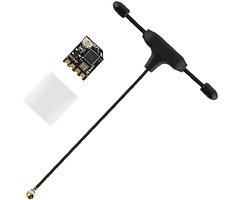
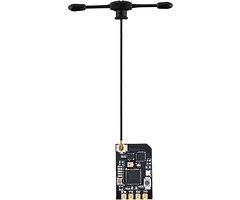
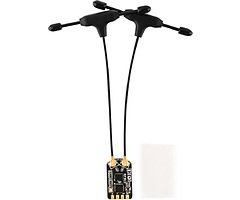
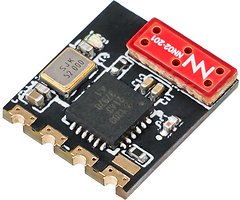
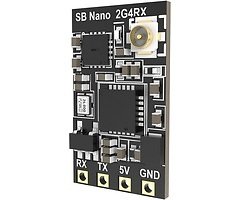
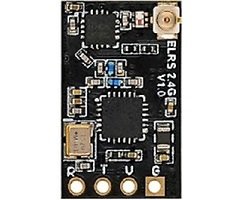
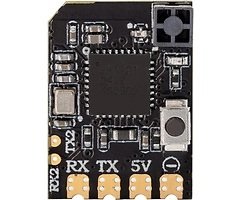
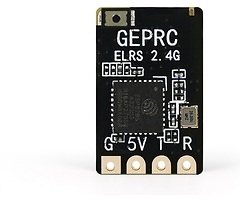
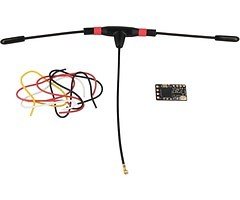
Every control input you make on the transmitter must reach the drone reliably, quickly, and without delay. That’s exactly what the RC receiver is responsible for: It receives the radio signal from your remote control, decodes it, and forwards the control commands to the flight controller. It sounds like a small component with a simple task—and yet choosing the right receiver is one of the most fundamental decisions when building an FPV drone, because it determines which radio system you’ll be tied to in the long run.
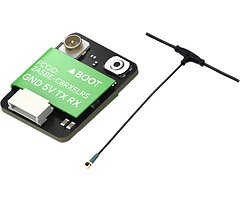
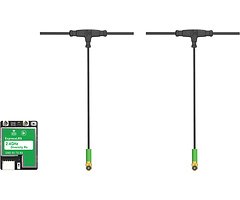
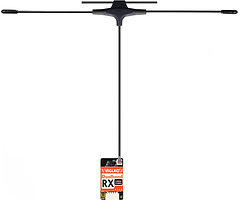
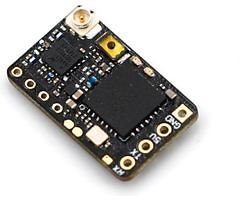
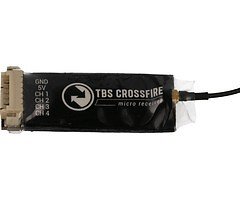
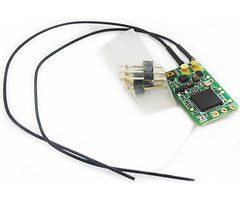
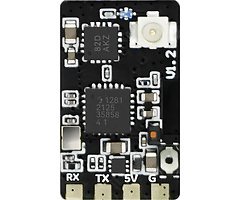
By far the dominant standard in modern FPV sports is ExpressLRS, or ELRS for short. This open-source protocol transmits control commands with extremely low latency and a high packet rate at 2.4 GHz, offering connection reliability that significantly surpasses older systems. ELRS receivers are compact, lightweight, affordable, and produced by numerous manufacturers—ensuring compatibility with nearly all modern transmitters on the market. For particularly demanding long-range applications, TBS Crossfire remains a proven option, offering excellent range and penetration capabilities at lower frequencies.
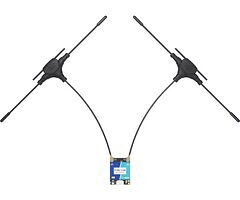
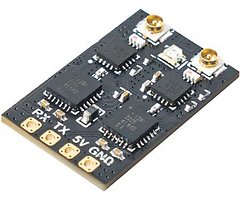
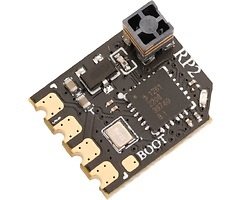
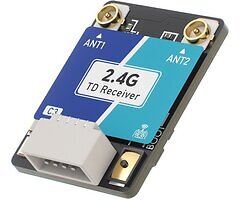
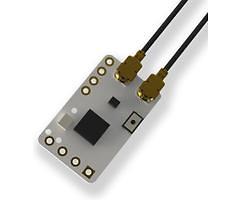
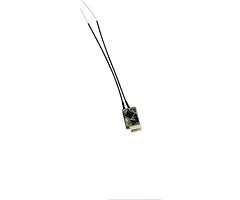
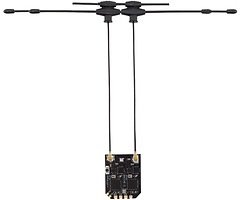
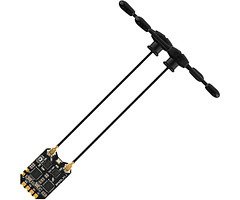
When selecting a receiver, form factor and antenna configuration play a role in addition to the radio system. Nano receivers are particularly compact and fit even into tightly built micro drones. Diversity receivers with two antennas improve connection stability in situations where a single antenna might be obstructed by the drone’s structure—a noticeable advantage during freestyle flights with frequent roll maneuvers.
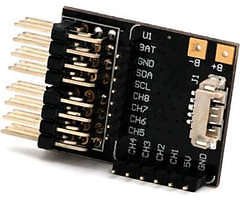
At FPV24, you’ll find RC receivers for ELRS, TBS Crossfire, TBS Tracer, and FrSky from brands such as Radiomaster, BetaFPV, SpeedyBee, iFlight, GEPRC, HGLRC, Sub250, Sequre, and Team Blacksheep.